

One of my heroes died recently. Dr. Balfour Mount (1939-2025) was a Canadian pioneer in palliative care. He founded the first palliative care service, in fact the first in North America, at the Royal Victoria Hospital in Montreal in 1974. Trained as a urologist and surgeon, he was moved by the suffering he witnessed among patients dying in his hospital.
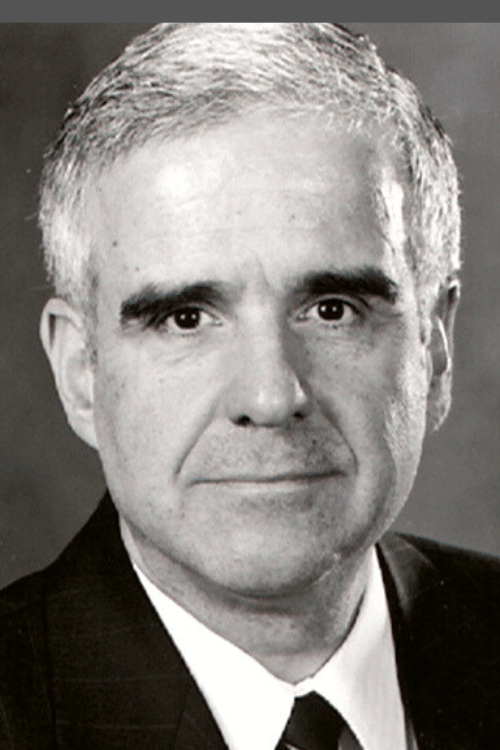
After visiting Cicely Saunders’ hospice in London, he returned to Canada determined to establish a system that integrated medical, scientific care with the psychological,social and spiritual support for patients and families. His work reframed dying not as a medical failure, but as a meaningful phase of life deserving care, comfort and presence.
Another Canadian physician, Dr. Murray Enkin (1924-2021) was also a pioneer in Canadian medical care. He challenged the highly medicalized, paternalistic model of childbirth that dominated mid-20th-century obstetrics. He saw the birth of a baby as something the mother did, rather than something the doctor did to her. He advocated for family-centred maternity care, Lamaze style childbirth education, and respect for the parents’ choice in how and where to give birth. He was also my father.
My father called himself an iconoclast. He pushed against the establishment: the ”but we have always done it this way” mentality. I think Dr. Mount would have liked to call himself one as well. They both worked to humanize the medical model of care and in doing so changed the way we view birth and death.
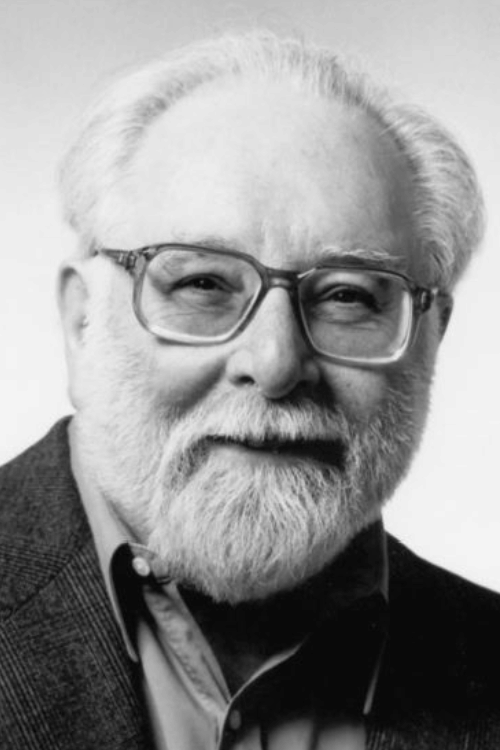
They both believed that evidence and science mattered. Enkin authored Effective care in Pregnancy and Childbirth along with Iain Chalmers and Marc Keirse.This work studied all of the available research in obstetrical care, and categorized it into useful, not useful and harmful. This work became the cornerstone of evidence-based medicine and laid the groundwork for the Cochrane Collaboration.
Balfour Mount’s palliative care promoted excellent pain and symptom control along with the holistic view of suffering. He promoted medical management of disease along with the inevitability of death, and how to integrate these appropriately.
Both of these men shared a vision that medicine must serve the whole person–body, mind, and spirit– within the fabric of family and community. They saw patients not as cases, but as people with meaningful stories. Both honoured autonomy and relationship: Enkin empowered women to make informed choices in childbirth; Mount empowered parents to make dignified choices in dying.
In Bookends: A Family Doctor Explores Birth, Death and Tokothanatology, I wrote that the study of tokothanatology– from toko for birth and thanatos for death– reveals that these two thresholds are not opposites but mirrors. The same awe, vulnerability and need for compassion flow through both. These two men, Dr. Balfour Mount and Dr. Murray Enkin promoted this in their contributions to health care in Canada. Both challenged standard medical models and recentred care around the person and their community. Although they never met, and they worked at opposite ends of life, they shared a profound respect for the human, and humane aspects of life’s journeys.
